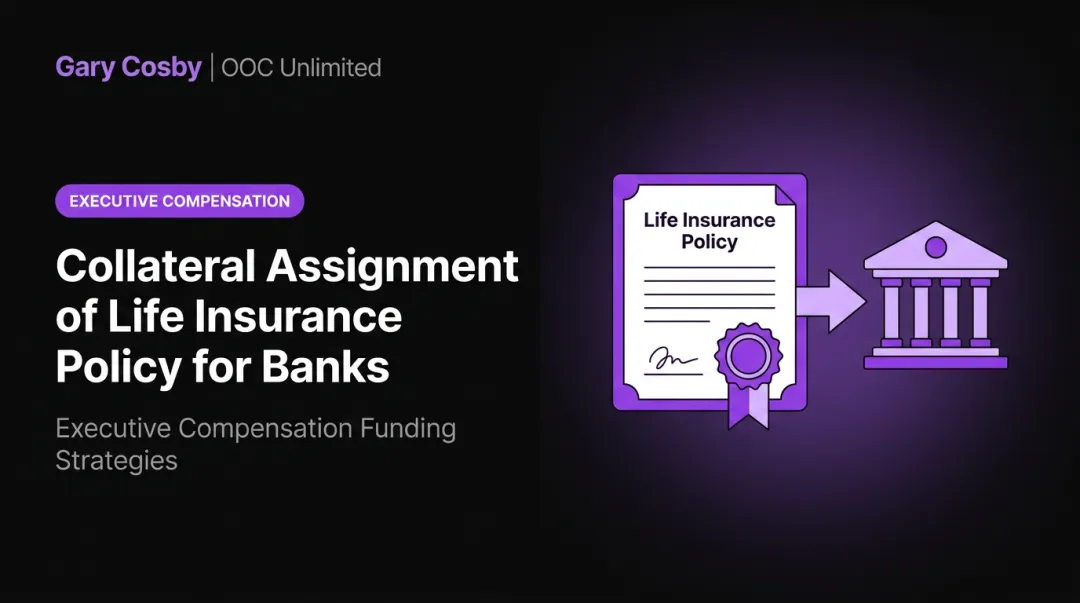
Lenders ask for this because they want protection if something happens to the person driving the business. A collateral assignment of life insurance lets you satisfy that requirement without handing over your policy. You keep ownership. The lender just gets a limited claim, tied specifically to the loan.
This article breaks down what the form actually says, how to set one up, and what happens to your beneficiaries when the loan gets paid off.
Key Takeaways
- Collateral assignment secures a loan with your life insurance policy while you retain ownership
- The lender's claim is capped at the outstanding loan balance, not the full death benefit
- The form must be filed with your insurance carrier to be enforceable
- Once the debt is paid, the assignment is released and full benefits return to your beneficiary
What Is a Collateral Assignment Form?
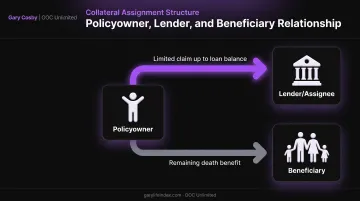
A collateral assignment form is a legal document that gives a lender (the assignee) a limited, secured interest in your life insurance policy's cash value or death benefit. According to Security Mutual Life, the form establishes the policy as collateral security between the policyowner and the assignee.
The assignee can collect the policyowner's indebtedness from proceeds at death, at maturity, or from cash surrender at any time. Whatever remains after that debt goes to the named beneficiary.
You still own the policy. You still name your own beneficiary. The lender doesn't become the owner. They get paid only "to the extent of their interest," meaning up to the loan balance.
This shows up most often in:
- SBA and conventional business loans
- Commercial mortgages
- Premium financing arrangements
Important distinction: naming a lender as your beneficiary is a completely different move. That would entitle them to the entire payout, not just the loan amount. Collateral assignment protects your family from that outcome.
Key Components of the Collateral Assignment Form
Every carrier's form looks slightly different, but most include the same building blocks. A form from RiverSource, for example, captures the policy number, insured, owner, creditor's name, and the specific amount assigned.
Here's what you'll typically find:
- Assignor and assignee names and addresses for you and your lender
- Policy number, carrier, and policy type
- Collateral assignment clause spelling out which rights transfer, such as cash value access or a portion of the death benefit
- Loan amount, terms, and repayment schedule tied to the assignment
- Revocation or release clause that returns full rights once the debt is satisfied
- Signatures and notarization so the insurer can record the form as valid
You keep certain rights even while the assignment is active. RiverSource's form, for example, preserves disability benefit elections, beneficiary changes, and settlement mode choices. Any change that decreases the policy's cash value or face amount usually needs both your signature and your lender's.
How to Set Up a Collateral Assignment
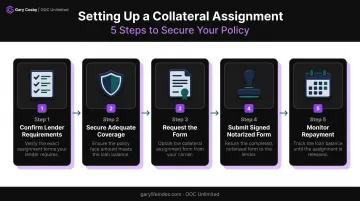
Setting this up isn't complicated, but skipping steps can delay your loan closing. Here's the sequence:
- Confirm lender requirements: ask which policy types and insurers they'll accept for this arrangement
- Secure adequate coverage: use an existing assignable policy, or apply for new coverage if you don't have one
- Request the form: get the collateral assignment form from your carrier and complete it with loan and lender details
- Submit the signed, notarized form: send it to the insurer so they can record the lender as assignee
- Monitor repayment: formally request removal of the assignment once the loan is cleared
Carriers handle this differently. Lincoln Financial, for instance, requires the policyowner to notify the company directly.
Once filed, the insurer restricts certain owner rights and sends lapse-risk correspondence to the assignee, so the lender gets notified if premiums lapse. The assignment stays on file until Lincoln receives a written release.
Working with a licensed agent helps here. At OOC Unlimited, agents like Gary Cosby help business owners navigate insurance-funding options and match lender requirements with carriers among their 25+ A-rated partners.
Gary focuses on the insurance piece and works alongside the business owner's CPA and attorney when tax treatment, loan agreements, or ownership questions need their input.
Which Life Insurance Policies Qualify for Collateral Assignment?
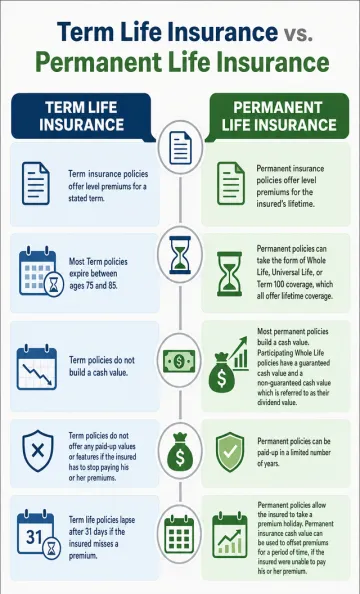
Not every policy works equally well for collateral assignment. Lenders generally prefer permanent policies (whole life, universal life, and indexed universal life) because they build cash value.
Progressive notes that cash value gives the lender an additional safeguard if the borrower defaults, since they can access that value beyond just the death benefit.
Term life can work too, but it carries more risk for the lender:
- No cash value to fall back on
- Expiration risk if the term ends before the loan
- Outright rejection by some lenders for these reasons
That last point matters most. Lenders want proof the policy will outlast the loan term. A 10-year term policy backing a 15-year loan creates an obvious gap nobody wants to discover later.
Collateral Assignment vs. Other Types of Assignment
People mix up collateral assignment with absolute assignment and beneficiary designation constantly. They're not the same thing.
| Type | What Happens | Who Controls the Policy |
|---|---|---|
| Collateral assignment | Limited security interest tied to a specific debt | You (the policyowner) |
| Absolute assignment | Full transfer of policy ownership | The new owner (assignee) |
| Beneficiary designation | Names who receives the death benefit | You (the policyowner) |
Collateral and absolute assignment are the two primary assignment types in life insurance. Collateral assignment is temporary and ends once the debt is paid. Absolute assignment is permanent — you're giving up the policy entirely.
Beneficiary designation is a different animal. Naming someone as beneficiary doesn't make them a collateral assignee, and it doesn't limit their claim to a loan balance. They receive the full proceeds.
Weighing the Pros and Cons
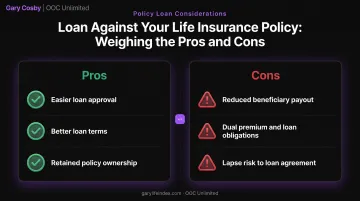
Before signing, weigh what you're actually trading off.
Pros:
- Can help secure loan approval when you lack other collateral
- May support better loan terms
- You keep full ownership of your policy
Cons:
- Your beneficiaries get less if you die with an outstanding balance; the lender gets paid first
- You're on the hook for premiums on top of loan payments
- A lapsed policy can violate your loan agreement
That last risk deserves attention. Progressive notes that a cancelled or lapsed policy can violate the loan contract, potentially giving the lender the right to raise your interest rate or demand full repayment immediately. Missing a premium isn't just a policy problem. It becomes a loan problem too.
Terms and consequences vary by lender, carrier, and state. Talk to a financial or legal professional before finalizing anything.
Frequently Asked Questions
What are the two types of assignment in life insurance?
Collateral assignment gives a lender a limited, security-based interest tied to a specific debt. Absolute assignment transfers full ownership of the policy. Collateral assignment is temporary; absolute assignment is permanent.
What is a collateral assignee in life insurance?
The collateral assignee is the lender or creditor granted a limited right to policy proceeds, up to the amount owed. They never become the policy owner.
Is a collateral assignment of life insurance taxable?
Generally, no. Assigning a policy as collateral isn't a taxable event since ownership doesn't change. Withdrawals or a policy lapse could still trigger tax consequences separately.
Does the beneficiary still receive anything after a collateral assignment?
Yes. Once the lender is repaid from the death benefit, any remaining proceeds go directly to your named beneficiary.
Can a collateral assignment be removed before the loan is paid off?
Typically, no. Removal requires the lender's written release, which is usually only issued once the debt is fully satisfied.
Do all life insurance companies allow collateral assignments?
Not automatically. Policies must generally be assignable under their contract terms. Confirm with your specific carrier before assuming your policy qualifies.